How to Prevent Ice Dams Before Michigan Winter
Ice dam prevention for Michigan homes: why ice dams form, the attic fixes that stop them, an honest look at heat cables, and what to do if water gets in.
Residential & commercial
A roof rarely fails all at once. An inspection catches the small things — a cracked boot, a lifted shingle, a clogged drain — while they're still small.
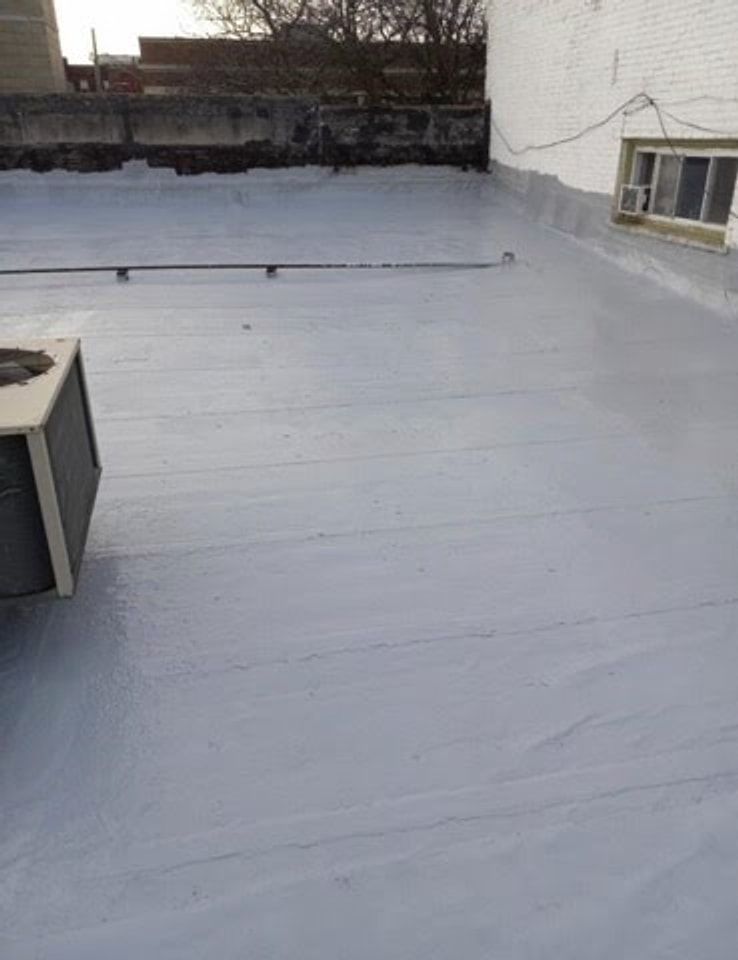
A roof inspection is a close look at every part of the roof that can let water in — shingles or membrane, flashing, vents, pipe boots, valleys, gutters and the attic underneath — with a plain report of what’s fine, what needs attention now, and what can wait. Done every few years, and after big storms, it’s the cheapest way to make a roof last its full life.
| Area | What we look for |
|---|---|
| Shingles or membrane | Missing, lifted, cracked or curling shingles; worn granules; open seams, blisters or punctures on flat roofs |
| Flashing | Rust, gaps and failed sealant at chimneys, walls, skylights and dormers |
| Pipe boots and vents | Cracked rubber, loose collars, damaged vent caps |
| Valleys | Worn or loose material where two slopes meet |
| Gutters and drains | Clogs, sagging, water backing up under the roof edge; blocked drains and scuppers on flat roofs |
| Attic | Daylight, water stains, damp or frosty sheathing, ventilation and insulation |
| Roof edges | Rot at the fascia and drip edge, signs of ice damming |
Most of what an inspection turns up is quick to fix: resealing a flashing, replacing a cracked pipe boot, re-nailing a few lifted shingles, clearing a drain. Handled early, each is a short repair. Left alone, each is a water stain, then soft decking, then a much bigger bill. Our fall roof checklist lists what to do before winter.
Commercial roofs do best on a schedule: inspections in spring and fall plus after major storms, with a written report and photos each time. Many roof manufacturers expect documented maintenance to keep their warranty valid. See commercial roofing and what a commercial roof maintenance plan should include.
J&M Roofing inspects homes and commercial buildings throughout our service area. Schedule a free estimate and we’ll tell you what your roof needs — and what it doesn’t.
FAQ
For a house, every two to three years and after any major wind or hail storm — more often once the roof is past 15 years. Commercial roofs should be inspected twice a year, in spring and fall.
No. Looking at your roof to give you an estimate for a repair or replacement is free. Call (586) 329-0038 or request a free estimate online.
Fall, before the leaves are all down and the first freeze, so anything found can be fixed before ice and snow arrive. Spring is the second-best time, to catch what winter did.
Related reading
Ice dam prevention for Michigan homes: why ice dams form, the attic fixes that stop them, an honest look at heat cables, and what to do if water gets in.
A roof that only leaks in heavy rain usually has one weak detail: flashing, a pipe boot or a valley. What causes it and how roof leak repair finds the source.
A fall roof inspection checklist for Michigan homes: gutters, flashing, sealant, shingles, the attic, vents, branches and flat roof drains before snow.
Call and tell us what's going on with your roof, or send the estimate form. We'll set up a time to come out and look.